
Is Your Nanopositioner Quantum Ready?
By Bill O’Brien and Aedan Gardill, Mad City Labs Inc.
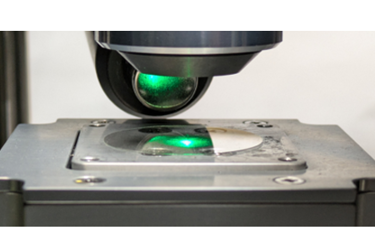
Instrumentation used to detect small magnetic signals in applications like quantum sensing and quantum computing must be carefully considered, because materials and experiment design can compromise this detection. Such applications are extremely sensitive to magnetic field and, while low-magnetic components in nanopositioners and other instrumentation have been utilized for years, modern experimentation is making their use more widespread.
A user must first determine the maximum magnetic field their experiment can handle, also called the magnetic field floor. That figure becomes part of their positioning stage specifications. Each stage design is experiment specific, but usually the magnetic field floor needs to be minimized or eliminated, particularly for users pushing the experimentation envelope in fields like quantum communication, quantum encryption, etc. Once the experiment’s magnetic field floor is determined, users collaborate with an instrumentation provider to discuss the most practical way to achieve the positioning specifications using modified materials or experiment design.
Get unlimited access to:




Enter your credentials below to log in. Not yet a member of Photonics Online? Subscribe today.